
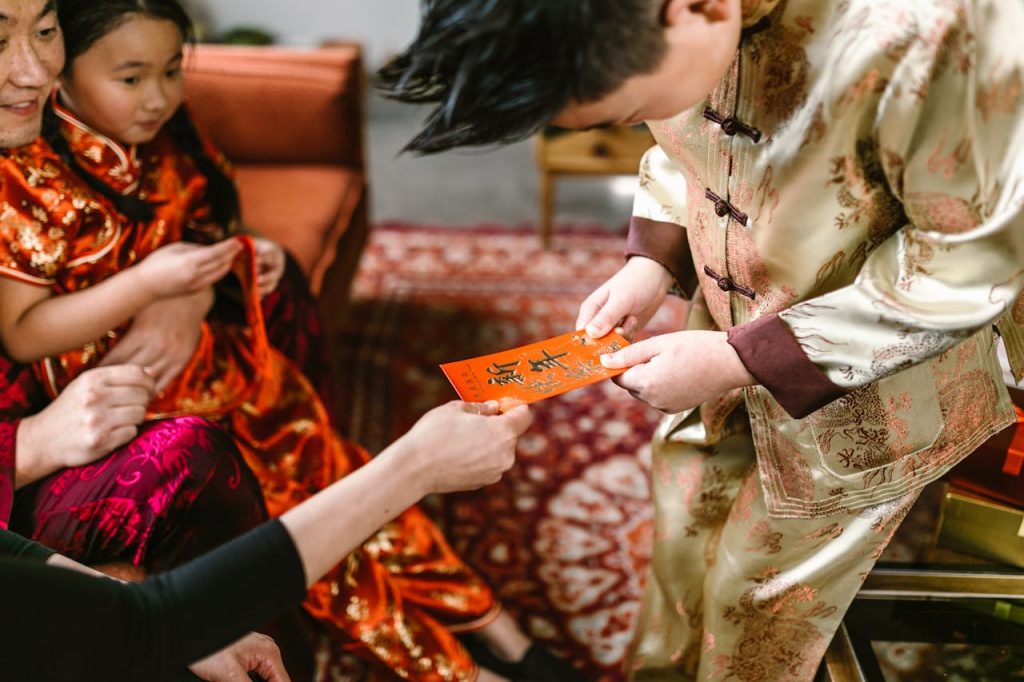
Chinese New Year is a time of celebration, reunion, and new beginnings. In Malaysia, giving and receiving ang pao money represents blessings, prosperity, and good fortune for the year ahead.
While it may be tempting to spend your ang pao money on something fun like blind box collectibles, trending matcha lattes, or new gadgets, the cash can also be used as a meaningful financial starting point. Whether it’s RM100 or RM1,000, how you choose to use it can help shape your good financial habits for the year ahead.
If you’re wondering what to do with your ang pao money, this guide explores practical beginner-friendly approaches to savings and investing in Malaysia.
1. Start by Splitting It with Purpose
Before you spend your ang pao money, consider your financial goals for the year. Instead of treating your ang pao money as extra cash to spend on something fun, consider allocating:
- A portion for savings
- A portion for short-term goals
- A portion for spending
This method encourages intentional decision-making rather than impulse spending. The 50-30-20 budgeting approach (50% save, 30% goal-based, 20% spend) can help you develop structure. When you give each money portion a purpose, you reduce the chances of wondering where it all went a few weeks later.
Allocating your ang pao money before spending is one of the easiest money saving tips you can practice. Over time, this habit can carry into your monthly salary as well.
2. Build or Strengthen Your Emergency Savings
If you don’t have an emergency fund yet, your ang pao money can be a helpful starting point. An emergency fund is money set aside for unexpected expenses such as:
- Medical bills
- Urgent car repairs
- Temporary income disruption
Many financial planners recommend saving at least three to six months of living expenses. Although the money you get from your ang pao may not cover the full amount, the money saved from your ang pao will still serve as a starting point. Over the years of savings, it can prevent over reliance on credit cards or loans which may accumulate on debts.
For students or young working adults, this is especially relevant. Starting early builds confidence and resilience. Over time, small contributions grow into meaningful protection and support better financial planning in Malaysia.
3. Use It to Fund a Short-Term Goal
Another smart option is to put your ang pao money toward something you were already planning for. Examples include:
- Paying for a professional course
- Saving for a new laptop
- Funding travel later in the year
- Covering upcoming insurance premiums
Instead of spending spontaneously, align your ang pao money with a goal you value. This way, you’re making purposeful progress with your festive money. The satisfaction that comes with achieving your progress milestone is more meaningful than making an impulse purchase.
4. Start Learning About Beginner-Friendly Investing
If your essential expenses are covered and you already have some savings, ang pao money can serve as a gentle introduction to investing. Beginner-friendly investing in Malaysia often focuses on:
- Exploring low risks investments
- Understanding different risk levels
- Learning about time horizons
- Exploring different asset types
The key is not to chase returns but to learn how savings and investing in Malaysia work. For first-time investors, even a small amount can provide valuable experience and help build confidence in navigating financial platforms. Before investing, ask yourself:
- Do I need this money within the next 12 months?
- Am I comfortable with fluctuations in value?
- Have I built an emergency fund?
Investing should support long-term goals, not replace your safety net.
5. Practise Intentional Spending
It’s perfectly okay to enjoy part of your ang pao money. After all, Chinese New Year is meant to be joyful. However, being intentional makes the experience more meaningful. Instead of buying several small impulse items, consider:
- Purchasing something you genuinely need
- Choosing a quality item that lasts longer
- Investing in experiences that add value
Intentional spending strengthens awareness and helps avoid regret later. It also builds mindfulness around how emotions influence financial decisions. Over time, these small decisions shape lasting good financial habits in Malaysia that extend well beyond the festive season.
6. Teach Children About Money Through Ang Pao
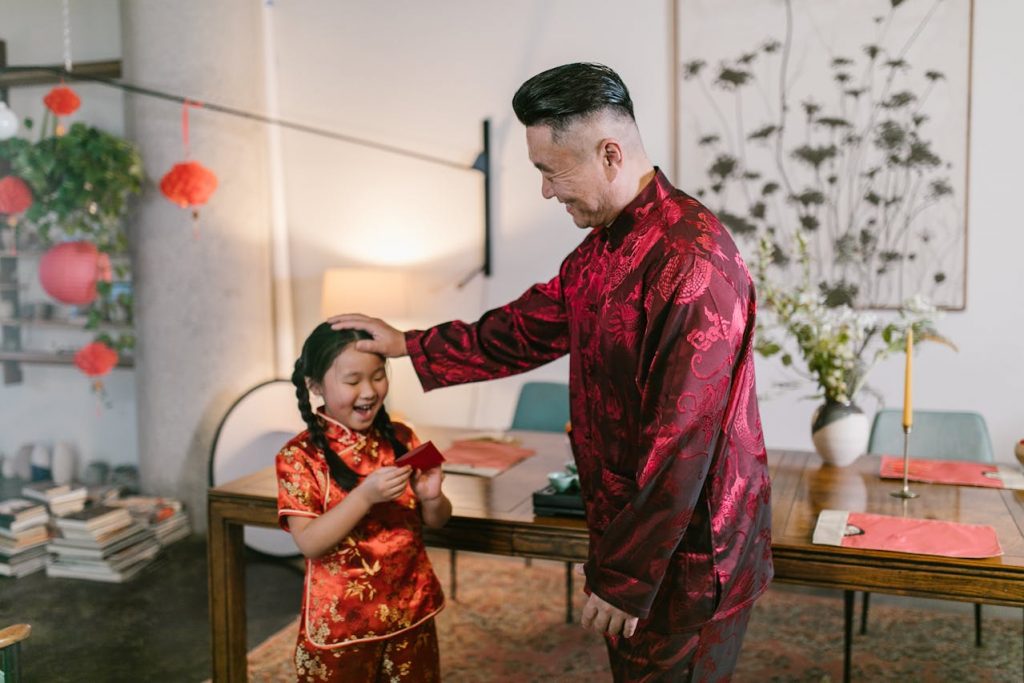
For parents, ang pao season presents a valuable teaching opportunity. Rather than managing the money entirely on their behalf, involve children in simple decisions:
- Let them choose how much to save
- Encourage them to set a small goal
- Explain why saving matters
This introduces foundational lessons about money management in Malaysia in a positive and culturally relevant way. It also helps children understand that money is a tool, not just something to spend. When children learn that money has purpose, they grow up with healthier financial perspectives and stronger long-term habits.
7. Avoid the “Spend It Quickly” Mentality
A common reaction to receiving ang pao is to spend it within days. While there’s nothing wrong with enjoying festive money, rushing decisions often leads to purchases that don’t truly add value. Try this instead:
- Wait one week before spending
- Write down what you think you want
- Revisit the list after a few days
Often, you’ll realise some purchases aren’t necessary after all. Creating space between receiving and spending encourages clearer thinking. This thought process can significantly improve your spending behaviour and reinforce long-term discipline.
8. Reflect on Your Financial Direction for the Year
Chinese New Year symbolises new beginnings. Why not use ang pao money as a financial reset? Ask yourself:
- What do I want to improve financially this year?
- Do I want to save more consistently?
- Am I ready to learn more about investing?
- Can I reduce unnecessary expenses?
Even small steps matter. Writing down one or two concrete financial goals can make them feel more achievable. Setting a financial intention at the start of the year gives your money direction.
9. Balance Saving and Enjoyment
Financial responsibility doesn’t mean removing joy. A balanced approach might look like:
- Allocating half towards savings
- Considering a portion for investing
- Spending a little on something meaningful
Balance prevents burnout. When you allow yourself some flexibility, you’re more likely to maintain discipline long term. Sustainable habits are built through moderation, not restriction.
10. Turn One-Time Money into Long-Term Behaviour
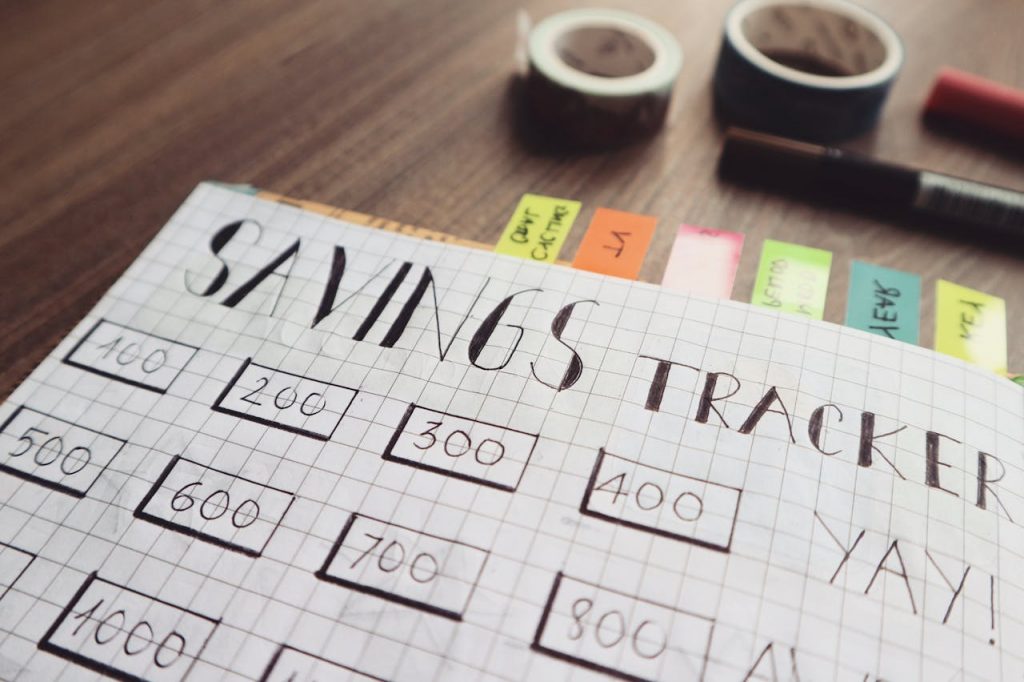
Receiving ang pao money triggers a behaviour, if you use it to:
- Start an emergency fund
- Open a savings account
- Begin learning about investing
- Set a short-term goal
You’re building habits that extend far beyond Chinese New Year. These habits can influence how you manage your salary, bonuses, and other income throughout the year.
Taking the Next Step
If you’ve decided to save or start investing with your ang pao money, your next step is to choose a platform that matches your comfort level. Versa Save is ideal for those looking to grow their savings, utilising their Auto-Debit feature for automated savings you can set aside.
If you’re exploring beginner-friendly investing, Versa Invest offers options suited to different risk levels and financial goals. What’s most important is not the size of your ang pao, it’s building the habit of putting your money to work in a way that aligns with your needs and time horizon.