

Buying your first house in Malaysia in 2026 is a major milestone to achieve. Before making the purchase, citizens are required to understand new loan-to-value (LTV) ratios, rising property prices, and stricter eligibility criteria from Bank Negara Malaysia (BNM) to be able to make informed decisions. This guide walks you through the exact steps, costs, and financing options available to first-time homebuyers navigating Malaysia’s evolving property market.
Key Takeaways
- Minimum down payment: Expect 10% to 20% depending on property price and loan type
- EPF Account 2 withdrawal: Use savings for down payment and stamp duty costs
- Total upfront costs: Budget RM30,000 to RM50,000 beyond down payment for legal fees and disbursements
- Debt Service Ratio (DSR): Keep monthly debt obligations below 70% of gross income for loan approval
- First-time buyer schemes: Leverage government programs like PR1MA and Residensi Wilayah for subsidized properties
Determine Your Home Buying Budget and Affordability

Before viewing properties, calculate your realistic budget using the Debt Service Ratio (DSR) formula that Malaysian banks apply. Your total monthly debt commitments—including the new housing loan, car loans, personal loans, and credit card balances—should not exceed 70% of your gross monthly income.
For example, if your gross monthly income is RM5,000, your maximum allowable monthly debt is RM3,500. If you already pay RM800 monthly for a car loan, you can allocate up to RM2,700 for your housing loan installment. At a 4.0% interest rate over 35 years, this translates to a maximum loan amount of approximately RM570,000, meaning you can target properties priced around RM630,000 with a 10% down payment.
Use the EPF Account 2 for your down payment. As of 2026, first-time buyers can withdraw from their Employee Provident Fund to cover the initial deposit and reduce the upfront cash burden. However, remember that this affects your retirement savings, so weigh the trade-off carefully. For more on budgeting smartly, read our guide on the best way to save money in Malaysia.
Understand the Full Cost Breakdown Beyond the Down Payment
Many first-time buyers underestimate the additional costs required when purchasing property. Beyond the down payment, budget for these mandatory expenses:
- Stamp duty on property:
- 1% on the first RM100,000
- 2% on RM100,001 to RM500,000
- 3% on RM500,001 to RM1 million
- 4% above RM1 million
First-time buyers purchasing properties below RM500,000 may qualify for stamp duty exemptions under government stimulus programs—verify eligibility with your lawyer.
- Stamp duty on loan agreement: 0.5% on the first RM100,000 of the loan amount, then tiered rates apply. Full exemptions are sometimes extended to first-time buyers during promotional periods.
- Legal fees: Typically RM2,000 to RM5,000 depending on property price, covering the Sale and Purchase Agreement (SPA) and loan documentation.
- Valuation fees: RM300 to RM800 for the bank’s property appraisal.
- Disbursements: Around RM1,000 to RM2,000 for miscellaneous costs like search fees, courier, and registration.
For a RM400,000 property with a 90% loan, expect total upfront costs between RM45,000 and RM55,000, including the RM40,000 down payment.
Navigate Loan-to-Value (LTV) Limits and Financing Options
Bank Negara Malaysia enforces Loan-to-Value (LTV) limits to promote responsible borrowing. As of 2026, first-time buyers purchasing their first residential property priced below RM500,000 may access up to 90% financing. For properties above RM500,000, the LTV cap is typically 80% to 90%, depending on the lender and your financial profile.
If you’re purchasing a second property or have existing housing loans, expect stricter LTV ratios of 70% or lower. This is designed to curb speculative buying and reduce household debt levels.
Consider these financing routes:
- Conventional bank loans: Offered by major banks like Maybank, CIMB, and Public Bank with competitive interest rates starting around 3.8% to 4.2% in 2026, subject to the Overnight Policy Rate (OPR) set by BNM.
- Islamic home financing: Shariah-compliant alternatives using concepts like Musharakah Mutanaqisah or Ijarah, with similar effective rates.
- Government-assisted schemes: Programs like PR1MA (for households earning below RM10,000 monthly) and Residensi Wilayah offer below-market pricing and priority access to first-time buyers.
Shop around and compare at least three loan offers. Small differences in interest rates compound significantly over 30 to 35 years.
Choose the Right Property Type and Location
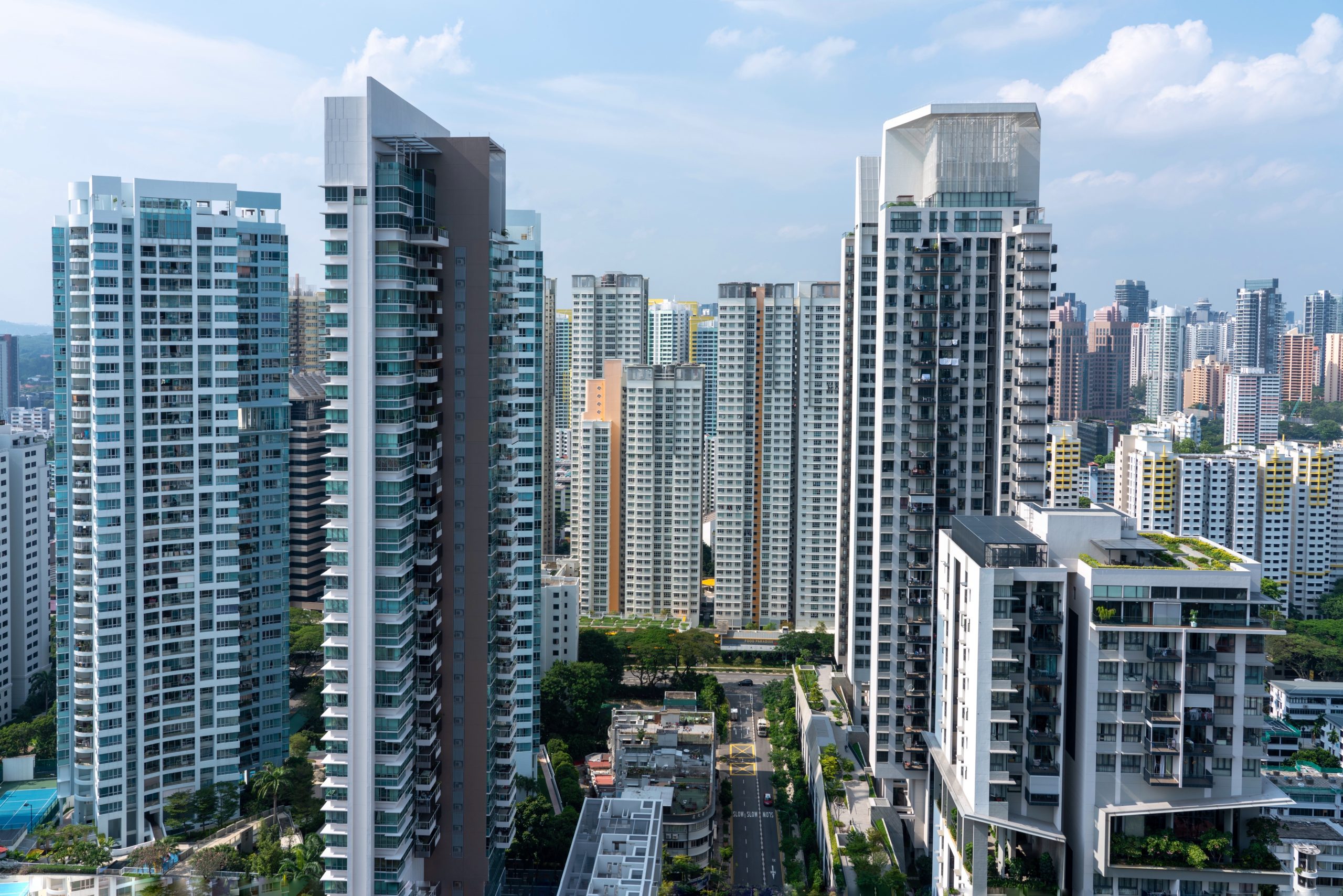
Your first property should balance affordability, future resale value, and lifestyle needs. In 2026, Malaysian property types include:
- Apartments and condominiums: Popular in urban centers like Kuala Lumpur, Penang, and Johor Bahru. Expect monthly maintenance fees (RM200 to RM600) and sinking fund contributions.
- Landed terrace houses: More common in suburban areas, offering more space but typically higher purchase prices and maintenance responsibilities.
- Affordable housing schemes: Units under PR1MA, Rumah Selangorku, or similar state programs, priced between RM150,000 and RM400,000 depending on location and size.
Prioritize locations with strong infrastructure, proximity to public transport (MRT, LRT), established schools, and employment hubs. Properties near upcoming developments or transit projects tend to appreciate faster. For those planning ahead, check out our article on saving up for life’s milestones in Malaysia.
Prepare Your Loan Application Documents and Strengthen Approval Odds
Banks assess your creditworthiness using your CCRIS (Central Credit Reference Information System) and CTOS reports. Ensure your credit score is healthy by paying all existing loans and credit card bills on time for at least six months before applying.
Prepare these documents for your loan application:
- Latest three months’ payslips or EA form for salaried employees
- Latest six months’ bank statements showing consistent income
- EPF statements (if using EPF for down payment)
- Copy of IC (identity card) and proof of address
- Booking receipt and Sale and Purchase Agreement (SPA) from the developer or seller
If you’re self-employed, provide your latest two years of audited accounts, income tax returns (Form B or BE), and business bank statements.
To improve approval chances, reduce outstanding debt, avoid new credit applications in the months leading up to your home loan, and consider adding a co-borrower with stable income if your DSR is borderline. It’s also wise to maintain an emergency fund to cover unexpected expenses when buying your first home.
Understand the Home Buying Process Timeline
The process from property selection to key collection typically spans three to six months for sub-sale properties and two to four years for under-construction units. Here’s the typical flow:
- Property search and selection: 2 to 4 weeks
- Booking and payment of booking fee: Immediate (RM1,000 to RM3,000, typically deductible from down payment)
- Letter of Offer (LO) from bank: 1 to 2 weeks after loan application submission
- Sign Sale and Purchase Agreement (SPA): Within 14 days of receiving Letter of Offer
- Loan documentation and disbursement: 4 to 8 weeks
- Vacant possession (for completed properties): Immediate to 3 months after full payment
For under-construction properties, disbursements are released progressively based on construction milestones. Budget for interim interest payments during the construction phase if you opt for a non-flexi loan.
Leverage First-Time Buyer Incentives and Tax Relief
The Malaysian government periodically introduces Home Ownership Campaign (HOC) initiatives offering stamp duty exemptions, discounted property prices, and developer absorption of legal fees. Monitor announcements from the Ministry of Housing and Local Government for 2026 updates.
Additionally, claim tax relief under the Home Loan Interest Deduction. First-time buyers purchasing residential properties priced up to RM500,000 may deduct up to RM3,000 annually on interest paid for housing loans for three consecutive years of assessment, subject to qualifying criteria outlined by Lembaga Hasil Dalam Negeri (LHDN).