

Gold is often discussed as a way to diversify a portfolio or to gain exposure to movements in global commodity prices. In Malaysia, investors can generally access gold through physical ownership or non-physical (account-based / exchange-traded) exposure. Each approach comes with different costs, risks, and practical considerations.
Physical Gold: Bars, Coins, and Jewellery
Physical gold is the traditional form of ownership. It may appeal to investors who prefer a tangible asset that they can personally hold and store. Physical gold is widely available through reputable jewellery stores. Selected banks may also facilitate the sale of bullion, such as gold bars and coins.
It’s important to note that the total cost of buying physical gold is often more than the spot price, as it can include workmanship, minting costs, and dealer spreads.
1. Gold Bars
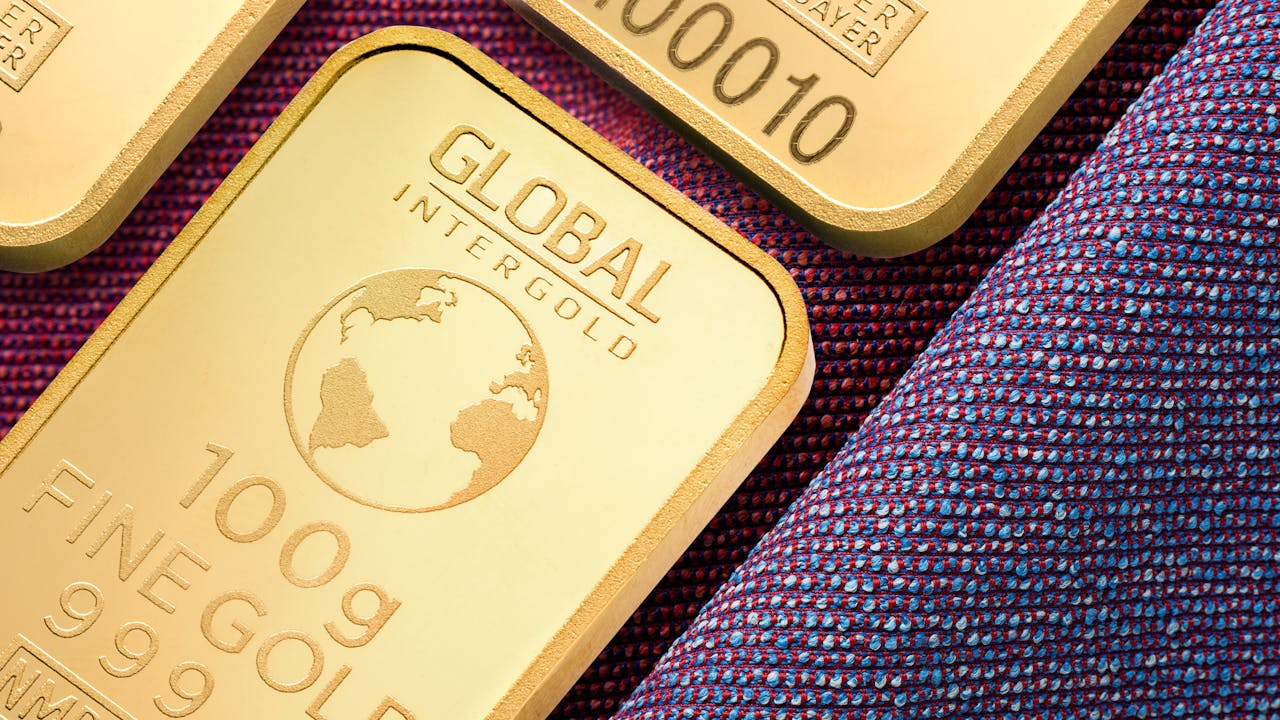
Gold bars are bullion products sold by banks, authorised dealers, and bullion retailers. They are priced according to weight and purity, with buy and sell prices determined by the dealer’s spread on top of the market gold price.
Gold bars are often considered a straightforward form of physical gold ownership due to their standardised weight and purity.
- Pricing is closely tied to gold content
- Typically, lower workmanship costs compared to jewellery
- Clear valuation based on weight and purity
Despite their simplicity, gold bars require proper storage and may involve resale friction.
- Owners must manage storage and security
- Dealer spreads can reduce realised returns
- Selling may require visiting a dealer
- Larger bars cannot usually be partially sold
2. Gold Coins
Gold coins are minted products with specified weight and purity. Some coins are bought mainly for gold exposure, while others may carry additional collectable value.
Gold coins may offer flexibility and recognisable formats for investors.
- Often available in smaller denominations
- Recognisable minting can support easier verification
- Portable and easier to store than larger bars
Premiums and resale pricing can vary depending on the coin and market demand.
- May carry higher premiums than bars
- Collectable value can fluctuate
- Still requires secure storage
- Dealer spreads apply during resale
3. Gold Jewellery
Gold jewellery is wearable gold purchased from jewellers. In Malaysia, jewellery is commonly sold in purities such as 916, and prices usually include workmanship and retail margins.
Jewellery combines ownership of gold with practical and cultural use.
- Can be worn, gifted, or passed down
- Familiar and widely accessible purchase format
- Immediate physical ownership
From an investment perspective, resale value may differ significantly from purchase price.
- Workmanship and retail margins increase the upfront cost
- Resale value depends on condition and buyer assessment
- Short-term resale may result in lower proceeds
Non-Physical Gold: Digital Accounts and ETFs
Non-physical gold refers to gold exposure recorded digitally rather than held personally. This category includes gold investment accounts, digital gold platforms, and gold exchange-traded funds. These options may offer convenience, but investors should understand product structure, fees, and provider-related risks.
4. Gold Investment Accounts
A gold investment account records gold holdings digitally, often measured in grams. Investors do not personally store the metal. Trading, pricing, and redemption features depend on the provider’s terms.
Gold investment accounts are often designed for accessibility and convenience.
- Transactions can be made through online banking or apps
- Lower starting amounts may be available depending on the provider
- Buying and selling may be faster than physical dealer transactions
- Some accounts may offer redemption or conversion features, subject to terms
These accounts still carry price and provider-related risks.
- Many are not protected by PIDM
- Gold price volatility can affect value
- Fees and spreads vary by provider
- Investors rely on the provider’s operational structure and rules
5. Digital Gold Platforms
Digital gold platforms are fintech-based services that allow users to buy and sell gold electronically, sometimes in fractional amounts. Structures differ across platforms, including custody arrangements and pricing methodology.
Digital platforms are often structured for ease of use and small transactions.
- Designed for simple digital access
- May support regular small purchases
- Digital tracking of holdings
Platform terms and structures vary widely and should be reviewed carefully.
- Exposure to platform and operational risk
- Fees and spreads may differ significantly
- Redemption rules may apply
- Investors should review official documentation to understand how holdings are structured
6. Gold ETFs
Gold exchange-traded funds are investment products traded through a brokerage account. They aim to track the price of gold and provide price exposure without personal storage.
Gold ETFs allow investors to gain exposure without handling physical gold.
- No need for storage or physical security
- Tradable during market hours
- Can be integrated into a broader investment portfolio
Like other gold investments, ETFs are subject to market and product risks.
- Gold price volatility affects value
- Management fees may apply
- Trading depends on brokerage access and market hours
- Tracking differences may occur

Physical vs Non-Physical Gold at a Glance
Before comparing specific products, it helps to step back and look at how physical and nonphysical gold typically differ in everyday investing.
Accessibility
Physical gold is typically bought through jewellers, banks, or bullion dealers and may require in-person transactions. Non-physical gold is usually accessed through banking apps, platforms, or brokerage accounts, making it easier to buy and sell digitally.
Risks
Physical gold introduces storage and security risk, plus resale spreads. Non-physical gold removes the need for personal storage but introduces provider or platform risk, product structure considerations, and fees.
Use cases
Physical gold may suit those who prefer tangible ownership or gifting. Non-physical gold may suit those who prefer convenience, smaller and more frequent purchases, or easier portfolio tracking.
What Affects Gold Prices?
Before investing in gold in Malaysia, it would be helpful for you to understand what drives its price movements. Gold prices can fluctuate over short and long periods. While gold is often described as a long-term store of value, its market price may experience volatility depending on:
1. Global Economic Uncertainty
Gold is often seen as a safer asset when things feel uncertain. For example, during economic slowdowns, global conflicts, or when there are concerns about banks or financial markets, some investors become more cautious. Instead of keeping money in assets that may fluctuate more, they may choose to move part of their money into gold.
When more people want to buy gold during these uncertain times, demand increases, and prices can go up. However, gold prices do not always move in a single direction during crises. Market expectations, liquidity needs, and broader investment flows can all affect outcomes.
2. Interest Rates
Interest rates affect how attractive gold looks compared to other options. When interest rates go up, things like fixed deposits or bonds can pay higher returns. Since gold does not pay interest or dividends, some investors may prefer putting their money into those income-earning options instead. When interest rates are low, fixed deposits and bonds may offer lower returns. In that case, holding gold may feel more reasonable. This shift in preference can affect how many people buy gold, which may influence its price.
3. US Dollar Movements
Gold is usually priced in US dollars around the world. This means changes in the value of the US dollar can affect how much gold costs. When the US dollar becomes stronger, gold can feel more expensive for people using other currencies. When the US dollar becomes weaker, gold may seem more affordable globally, which can increase demand.
For investors in Malaysia, the exchange rate between the Malaysian ringgit and the US dollar also matters. If the ringgit weakens against the US dollar, gold prices in Malaysia may rise even if global gold prices stay the same.
4. Inflation Expectations
Gold is sometimes discussed as a potential hedge against inflation. When inflation expectations rise, some investors allocate to gold as part of broader portfolio strategies. However, the relationship between gold and inflation is not always direct or immediate. Other factors, such as real interest rates and currency strength, may also influence price movements.
5. Supply and Demand Dynamics
Like other commodities, gold prices are affected by supply and demand. Mining output, central bank purchases, jewellery demand, and investment flows can all contribute to overall market dynamics. In particular, central bank activities can influence global gold demand. Changes in official reserves or purchasing patterns may affect market sentiment.
Final Thoughts
Physical gold offers direct ownership but requires storage planning and may involve resale friction. Non-physical options can provide convenience and accessibility, but they introduce product structure considerations and provider-related risks. Investors should compare costs, features, and risks carefully before making decisions.
If you prefer accessing gold exposure digitally, it is also helpful to understand the options available through investment platforms and regulated products.
Versa Gold is a Shariah-compliant offering on the Versa app, also known as AHAM Shariah Gold Tracker Fund, providing regulated exposure to gold price movements through a fund structure for retail investors. To learn more, review the relevant product documentation in the app and consider seeking professional advice if you are unsure.
This content is for general information and educational purposes only and does not constitute investment advice, a recommendation, or an offer to buy or sell any product. Investors should review the relevant disclosure documents, including the prospectus or product documentation where applicable, before investing. Fees, spreads, and other charges may apply depending on the product or provider. Past performance, if referenced, is not indicative of future performance. This publication has not been reviewed by the Securities Commission Malaysia.