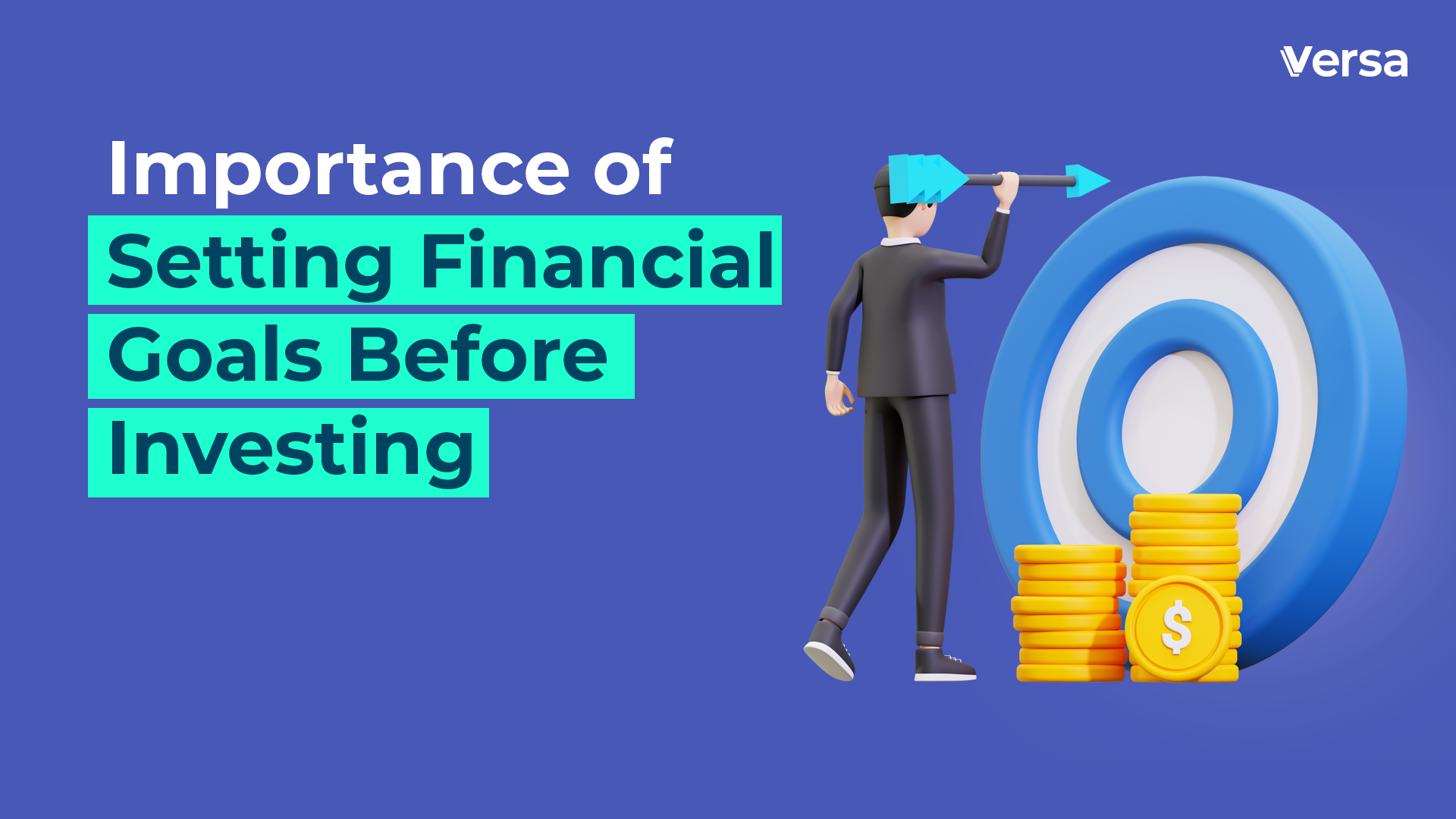
Setting financial goals is a critical first step for anyone looking to make smart investments. Defining clear objectives helps you achieve your financial goals and improve your investment approach by considering market conditions and investment opportunities. In this article, we’ll explain why setting goals is important for investing and discuss different types of financial goals—short-term, mid-term, or long-term.
It also offers practical steps to create a personalised financial plan that considers your risk appetite and financial obligations. Learn about the many benefits of having clear goals, such as how they can increase investment returns and reduce investment risks in your financial journey!
The Importance of Setting Financial Goals
Setting financial goals is an important step in starting a successful financial journey, as they clarify what you want to achieve with your money. Clear and specific goals help align investment strategies with your financial situation, guiding decisions on asset allocation, diversification, and potential investment options.
By prioritising short-term, mid-term, and long-term goals, you can work with financial advisors to create personalised investment plans that take into account market conditions, risk tolerance, and credit risk. This approach ultimately leads to financial independence and success.
Why Goal Setting is Crucial for Investing
Setting goals is vital for investing, as it offers a clear way to assess investment opportunities and track financial success over time.
When you set specific, measurable, achievable, relevant, and time-bound (SMART) goals, you create a plan to guide your decisions. For example, someone saving for a home might choose low-risk investments to protect their capital, while a younger investor saving for retirement might pursue a more aggressive strategy to benefit from market growth.
This clarity reduces anxiety and market volatility, supporting a disciplined approach during market changes.
Using methods like the 5-3-1 approach, which promotes diversification, can improve risk management, taking into account speculative characteristics, and lead to better financial results in the long run.
💡 What is the 5-3-1 approach for goal setting in investing?
5
Identify 5 Broad Categories
Select five investment types that align with your goals (e.g., stocks, bonds, real estate, mutual funds, alternative assets).
3
Focus on 3 Specific Options
Narrow it down to three promising investments within those categories that best fit your strategy.
1
Prioritize 1 Primary Focus
Choose one top priority to allocate the majority of your attention or resources.
This method simplifies decision-making, promotes focus, and ensures you stay disciplined while pursuing diversification and long-term financial goals.

Types of Financial Goals to Consider
Understanding different types of financial goals is crucial for creating a complete investment strategy that meets both immediate and future needs.
Financial goals can be divided into three types: short-term, mid-term, and long-term. Each requires different strategies and considerations, which may include investment-grade bonds, equity securities, or high-yield bonds.
- Short-term goals include needs like saving for a vacation or paying off debt within a year. This often involves using high-yield savings accounts or money market funds for liquidity and low risk.
- Mid-term goals, ranging from one to five years, might include saving for a new car or a home down payment. Suitable options might be bond funds or moderate mutual funds that provide growth and stability.
- Long-term goals, over five years, may involve retirement savings or funding a child’s education. These require strategies focused on equity investments and diversified portfolios to benefit from compounding returns.
For each type, it’s important to consider your cash flow, risk tolerance, and financial commitments to choose the right investment approach.
Steps for Setting Financial Goals
Setting financial goals requires a structured process that starts with identifying your priorities and then creating an investment plan that matches those priorities.
- Understand Your Finances
Review your income, expenses, savings, and debts to know where you stand. - Set Clear and Prioritised Goals
Define what you want to achieve, categorise by timeline (short, medium, long), and rank by importance. - Determine Costs and Deadlines
Calculate how much money you need and set realistic timeframes for each goal. - Create a Plan
Break goals into actionable steps and decide on savings or investment strategies. - Monitor and Adjust Regularly
Track your progress and revise your plan as needed to stay on course.
This streamlined approach helps you stay focused and organised while working towards your financial goals.

Benefits of Setting Financial Goals Before Investing
Setting financial goals before investing offers several benefits, such as:
- Clear Focus and Direction:
Setting goals helps you stay focused on what you want to achieve, like saving for retirement or buying a home. It gives your investments a purpose and keeps you on track. - Improved Decision-Making:
Defined goals help guide your investment choices. You can select options that align with your financial objectives, risk tolerance, and time frame. - Risk Management:
Goals help you assess how much risk is acceptable. Short-term goals may require safer investments, while long-term goals allow for more risk to pursue higher returns. - Measurable Progress:
With clear goals, you can track your progress and adjust your strategy as needed, ensuring you’re on the path to success. - Increased Confidence:
Having specific goals boosts confidence in your investment decisions, reducing emotional reactions to market fluctuations and keeping you focused on the long term.

Build better financial habits with Versa
Now that you understand the importance of setting financial goals, it’s time to take action with Versa! We are a user-friendly digital wealth management app, offering a range of investment options to grow your wealth:
- Versa Save: A low-risk option to replace your conventional bank savings accounts and fixed deposits.
- Versa Invest: Grow your wealth with diversified portfolios tailored to your risk tolerance and investment goals.
- Versa Retirement: Secure your future with the Private Retirement Scheme funds designed specifically for retirement planning.
Ready to kickstart your financial adventure? All new Versa users can enjoy a special +2%* p.a. nett returns boost on top of the monthly Versa Save base nett returns via our Welcome Quest! Simply maintain a minimum balance of RM1,000 in any Versa fund to unlock this special reward.

Should you have any questions, please do not hesitate to reach out to us here. 💬