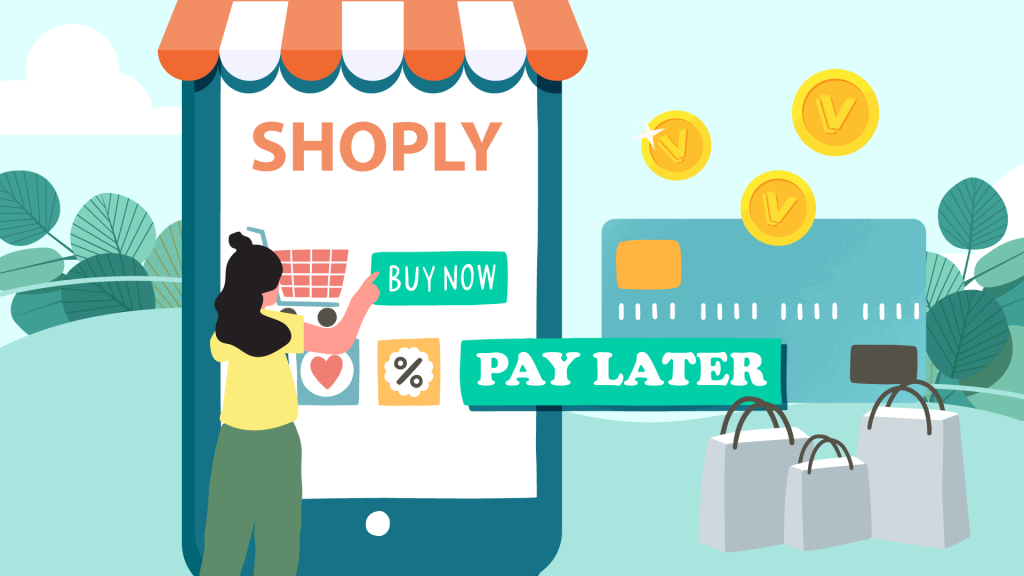
Buy Now, Pay Later (BNPL) has become a popular spending tool adopted by many e-commerce platforms in Malaysia – from popular food delivery apps such as Grab to shopping platforms like Shopee. Using BNPL, consumers can split their payments into smaller instalments which they can pay off by the next couple months.
BNPL offers the convenience of getting expensive items that you need/want immediately — with a little extra time to pay for them. It’s an attractive purchase if you can’t or don’t want to pay the bill for something all at once.
However, the boom of BNPL has led analysts to warn that BNPL could be the next hidden source of consumer debt. So what exactly do they mean and is it possible for us to mitigate this risk while enjoying the benefits of BNPL?
The Hidden Risks of Buy Now, Pay Later
1. More likely to accumulate debt with Buy Now, Pay Later
According to the Credit Counselling and Debt Management Agency, credit cards and personal loans are the main reasons why many Malaysians become trapped in debt.
Whether Malaysians realise it, BNPL is essentially a form of credit or a loan which has a much lower entry barrier than the latter. Unlike credit card companies or other consumer loan lenders, BNPL services are generally more lenient with most only requiring that you’re at least 18 years old, a Malaysian citizen, own a debit card, your phone number, and your email address.
Don’t get us wrong – not all debt is bad (We explain in more detail here). There are credit or loans that have the potential to be “good” debt – debt you take on as an investment that will improve your standard of living, like a house loan or a tertiary education.
On the other hand, bad debt includes debt that provides short-term gratification with little added value in the long-term. BNPL is often implemented in ecommerce platforms that sell food and shopping items – items that lie largely in the category of “wants”, rather than “needs”.
Not only that, there’s a chance of late fees that can pile up. This may be a no-brainer but 56% of consumers have reported to have fallen behind on making a payment. As payments are spread out, consumers are more likely to forget about the BNPL payment waiting. Depending on the BNPL company/service, they may charge a hefty late payment fee that will eventually add on to the money owed. For example, the BNPL company Atome charges RM30 for every late payment.
2. Buy Now, Pay Later may encourage overspending
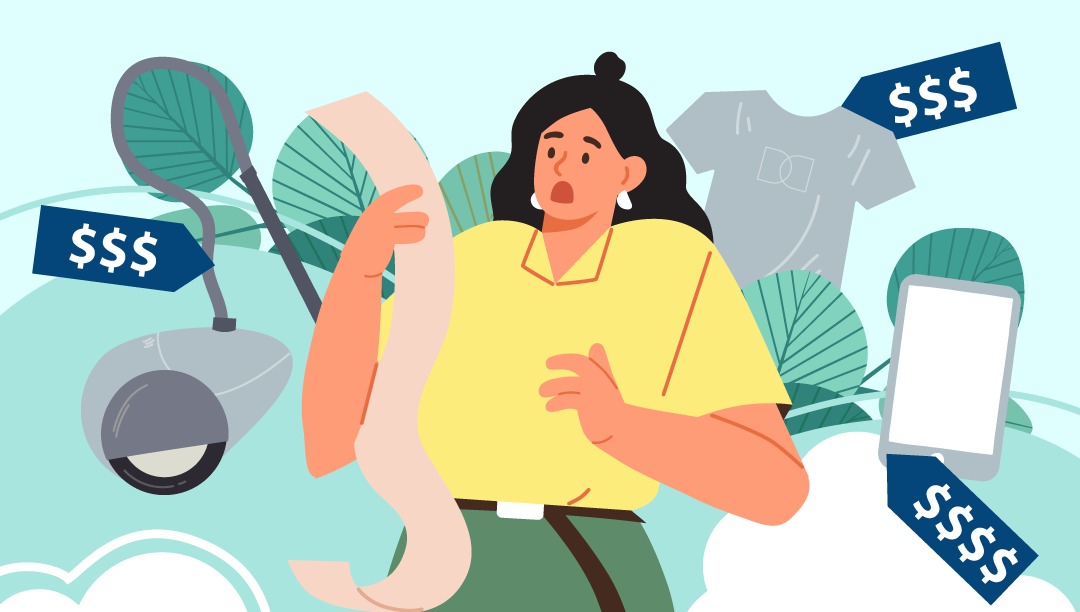
By splitting payments into seemingly more “affordable prices”, BNPL plans may tempt consumers into spending more than they can afford. According to C+R Research, 59% of consumers have made an unnecessary BNPL purchase that they otherwise couldn’t afford. For example, we wouldn’t spend RM2,000 on a latest phone. But by breaking down RM2,000 into RM166.7 per month, you may end up rationalising that you only have to spend that much for now.
BNPL’s accessibility also lures consumers to spend more. Not only is it less time-consuming to apply for it, BNPL services are already implemented in-app – take SPayLater and GrabPay, for example – making it especially easy to sign up for a BNPL plan. This ease of access may also reduce the time between consideration and purchase, raising the risks of impulsive purchases.
This ease of access could also shorten the decision time between consideration and purchase, leading to the higher possibility of impulsive buys.
3. Payments are harder to track when made through Buy Now, Pay Later
While instalment loans were commonly used for the occasional big purchase, consumers may start using BNPL for everyday purchases. If a consumer has multiple purchases, it may be difficult to keep track of the payments which are spread out through several months. Add on monthly commitments such as rent, bills and more – consumers will need to juggle multiple payments which can lead to confusion and even stress. This will also end up hurting your budget long-term when BNPL payments are not tracked properly.
4. Using Buy Now, Pay Later can affect your credit score
One of the importance of having a credit card is to build credit. Through paying off credit cards and bills in their name, young Malaysian adults can build good credit that becomes important when applying for loans or mortgages. But not all BNPL transactions are reported to credit agencies – thus, disrupting young Malaysian adults’ chances to build a stable life through owning a house or a car.
On the other hand, late repayments may result in the BNPL company reporting it to consumer reporting agencies – thus, hurting your credit score.
How to make Buy Now, Pay Later work for you
BNPL can be beneficial. The trick is to know when to use it!
By knowing how to use BNPL wisely, you can get the items you need without harming your cash flow. This is especially important for Malaysians who are still facing the aftermath of the COVID-19 lockdown and experiencing cash shortage.
- Only make purchases that you need – Instead of using BNPL for everyday purchases, use it only when you need to make an occasional big purchase. Opt for items that are within your budget, rather than ones that you may be unable to afford if you had to pay upfront.
- Keep an eye out for any rewards, promotions or points to save more – Certain companies that offer BNPL services may also offer cashbacks or special deals if you use BNPL. Use these promotions to your advantage to save more when making necessary purchases only.
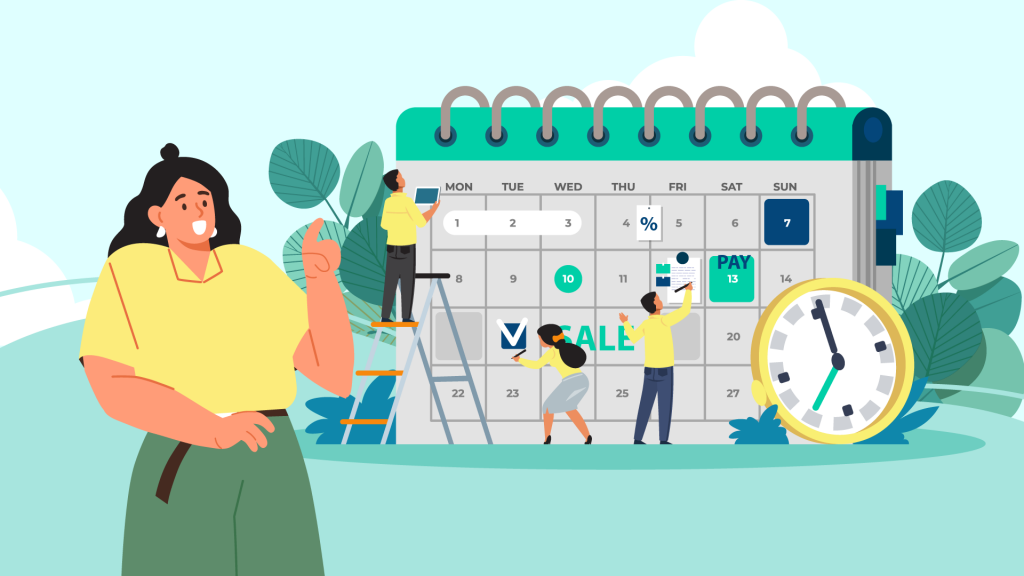
Set reminders for Pay Later Payments – You can automate regular payments through your bank account or card. You can also set up reminders that payments are due – either on your smartphone calendar or send yourself an email/text.